







Limit Switches Comprehensive Guide: Functions Types and Applications
Limit switches are electromechanical devices widely used in industrial automation and control systems to detect the presence, absence, or position of objects. They operate by converting mechanical motion into an electrical signal, which triggers a specific action in a machine or process. These sensors are essential for ensuring safety, precision, and efficiency across various applications, from conveyor belts to robotic arms.
The basic principle of a limit switch involves a physical contact mechanism, such as a lever, roller, or plunger, that activates when an object comes into contact with it. When the actuator is displaced beyond its threshold, the switch changes state—either opening or closing an electrical circuit. This signal can then be processed by a programmable logic controller (PLC) or relay to control motors, valves, or alarms.
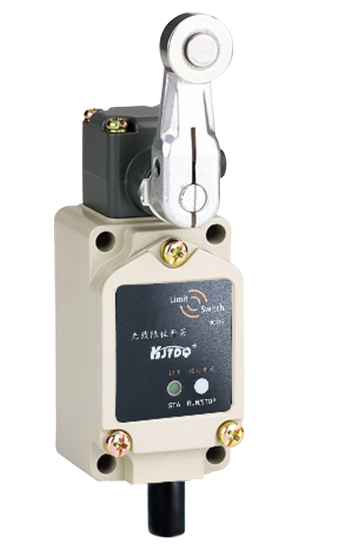
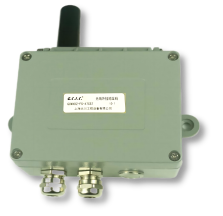
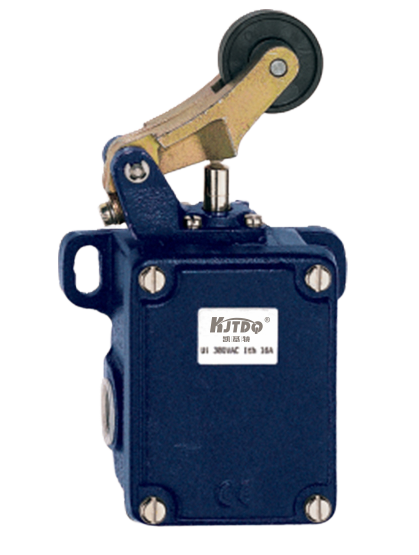
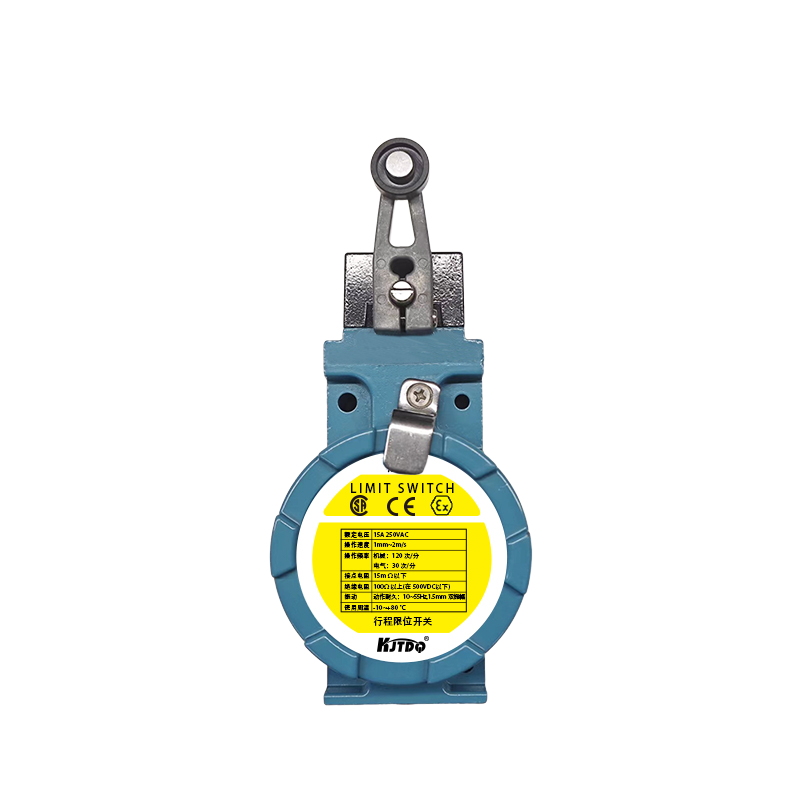
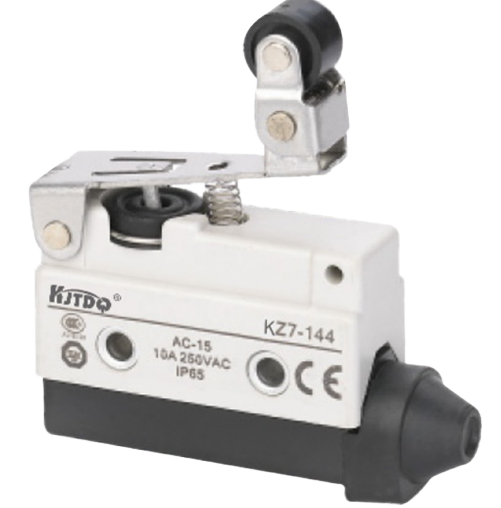
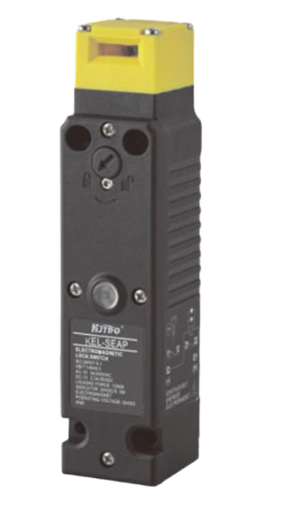
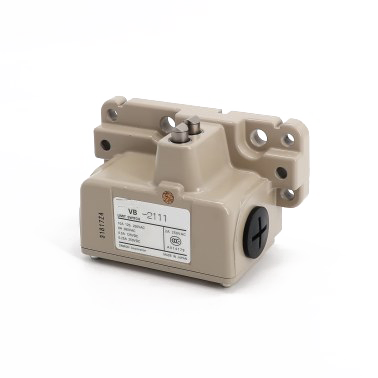
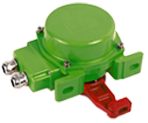
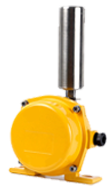
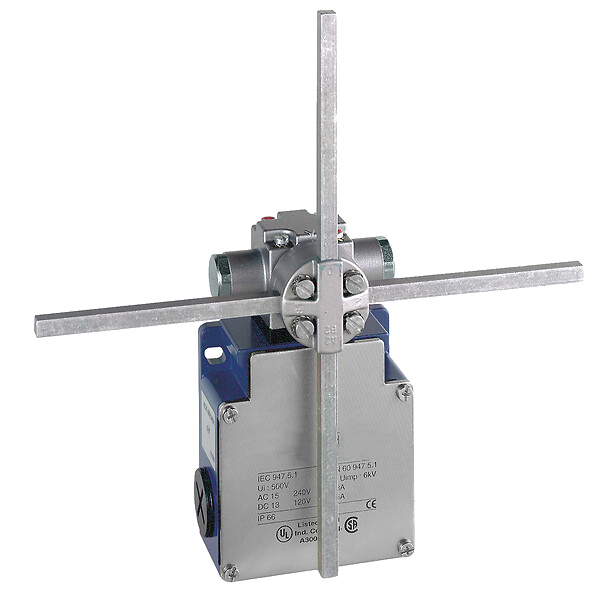
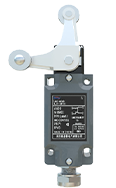
Limit switches come in several types, each designed for specific environments and requirements. The most common types include: Lever arm limit switches, which use a hinge-mounted lever for general-purpose applications; Roller plunger switches, ideal for linear motion detection; Whisker switches, featuring a thin wire for light-touch detection; and Heavy-duty limit switches, built with robust housings for harsh industrial conditions. Additionally, there are precision switches for high-accuracy tasks and snap-action switches for rapid response.
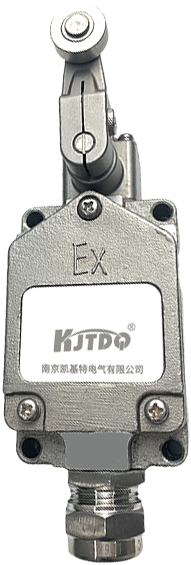
Materials and construction vary by application. Standard limit switches are made from plastic or metal, while explosion-proof models are available for hazardous areas. Sealing ratings, such as IP67 or NEMA 4X, indicate protection against dust and water ingress. Actuator types also influence performance: rotary levers suit cam-operated systems, while push-rod actuators work well in linear paths.
Applications of limit switches span numerous industries. In manufacturing, they control conveyor belt stops, detect product presence on assembly lines, and monitor door positions in elevators. In packaging, they ensure proper box alignment before sealing. In robotics, they serve as end-of-travel stops to prevent mechanical damage. Even in household appliances like washing machines, limit switches detect lid closure or drum position.
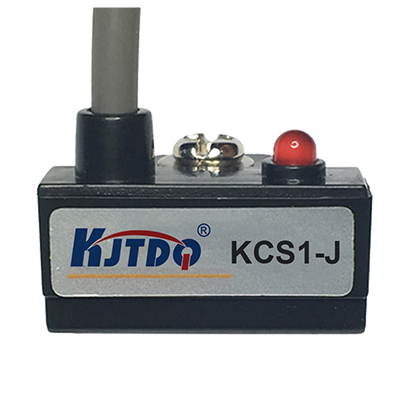
Installation and maintenance require careful consideration. Mounting must align the actuator with the target object, and wiring should follow manufacturer schematics for normally open (NO) or normally closed (NC) configurations. Regular inspection for wear, dust buildup, or actuator misalignment extends switch life. Many modern limit switches incorporate LED indicators or diagnostics for easier troubleshooting.
Safety standards, such as ISO 13849 or IEC 60947-5-1, govern limit switch design and use in critical systems. For example, safety-rated switches feature positive-opening contacts to ensure reliable disconnection even if welded. In high-speed automation, proximity sensors may replace mechanical limit switches, but the latter remain popular for simplicity, cost-effectiveness, and tactile feedback.
In conclusion, limit switches are versatile components that bridge mechanical and electrical domains. Their robust design, diverse types, and proven reliability make them indispensable in automation, from simple on/off logic to complex safety circuits. Understanding their characteristics and proper application can optimize system performance and reduce downtime.